
The biggest change to Canadian boat licensing in decades is now in effect. Here’s everything you need to know about the new 5-year renewals, $24 fees, and what happened to your lifetime licence.
Key Takeaways – What’s Changed
– Pleasure Craft Licences now expire every 5 years (no more lifetime licences)
– $24 service fee for all new, renewed, transferred, or replacement licences
– 30-day window to update owner info (reduced from 90 days)
– $250 fine for operating without a valid PCL
– Your PCOC is NOT affected — it remains valid for life
– Wind-powered craft over 6m will need a PCL by December 31, 2027
– Expanded cancellation rules — must cancel if vessel is no longer seaworthy
Table of Contents
What Changed and Why
On January 6, 2026, the Canadian Minister of Transport, officially announced amendments to the Small Vessel Regulations that modernize Canada’s Pleasure Craft Licence (PCL) program. These changes took legal effect on December 31, 2025.
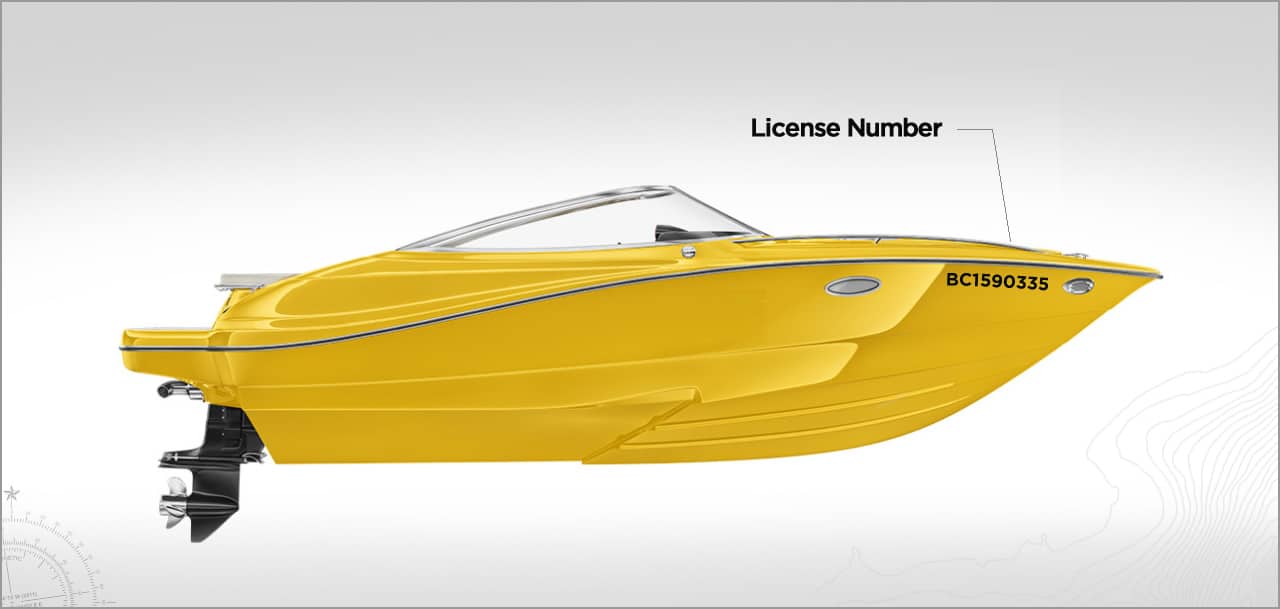
The PCL is the unique identification number displayed on the bow of your boat — think of it as your boat’s licence plate. It allows law enforcement and search-and-rescue teams to quickly identify vessel owners during emergencies, and it supports efforts to address abandoned or unsafe boats on Canadian waterways.
According to Transport Canada’s official announcement, the old system had become outdated. Many ownership records in the PCL database were decades old, making it difficult — sometimes taking days — for police to identify the current owner of a vessel. The new 5-year renewal cycle ensures contact information stays accurate and up to date.
Transport Canada also noted that the changes ensure recreational boaters share the cost of maintaining waterways, including navigation markers, environmental protection, and administering the licensing system — hence the new $24 fee.
Good News: Your Pleasure Craft Operator Card Is Not Affected
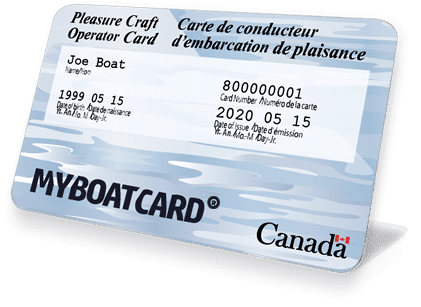
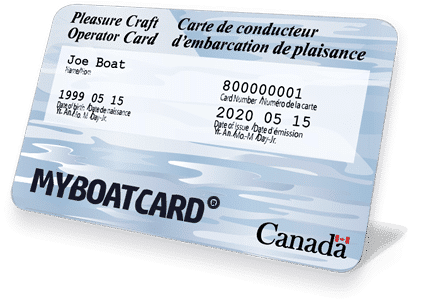
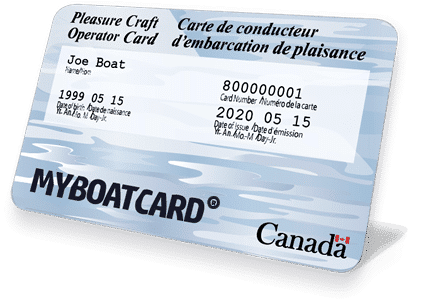
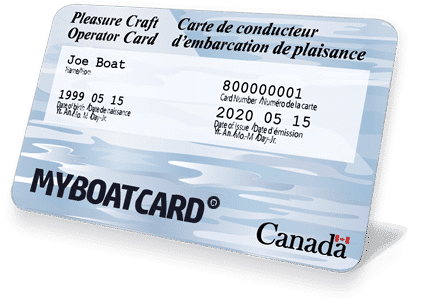
These changes apply only to the Pleasure Craft Licence (PCL) — the licence for your boat. Your Pleasure Craft Operator Card (PCOC) — the card that proves you are qualified to operate a motorized vessel — remains valid for life and does not need to be renewed.
Old vs. New PCL Rules — Side-by-Side Comparison
| Rule | Before (Old Rules) | Since December 31, 2025 |
|---|---|---|
| Licence Validity | 10 years or lifetime | 5 years only |
| Renewal | Not required for lifetime licences | Every 5 years, all PCLs |
| Service Fee | Free | $24 (adjusted annually for inflation) |
| Info Updates | Within 90 days of changes | Within 30 days (no fee to update) |
| Ownership Transfer | As soon as possible (loosely enforced) | Within 30 days; temporary 30-day operating permitted |
| Wind-Powered Craft | No PCL required unless motorized | PCL required if over 6m (effective Dec 31, 2027) |
| Licence Cancellation | Limited criteria | Expanded: must cancel if vessel is no longer seaworthy or for other reasons outlined by the Minister |
| Display Requirements | Both sides of the bow | No change |
| Manufacturer/Builder Info | No specific timeline | Update within 30 days of any change |
When Does Your Lifetime Licence Expire?
If you hold a PCL that was originally issued without an expiry date (commonly called a “lifetime” licence), Transport Canada has assigned a new expiry date based on when the licence was first issued. Your licence remains valid until that date — but once it expires, you must renew it before operating your boat again.
| Original Licence Issue Date | New Expiry Date |
|---|---|
| December 31, 1974 or earlier | March 31, 2026 ⚡ |
| January 1, 1975 – December 31, 1985 | December 31, 2026 |
| January 1, 1986 – December 31, 1995 | December 31, 2027 |
| January 1, 1996 – December 31, 1999 | December 31, 2028 |
| January 1, 2000 – December 31, 2005 | December 31, 2029 |
| January 1, 2006 – April 28, 2010 | December 31, 2030 |
Urgent: Licences Issued Before 1975
If your PCL was originally issued on or before December 31, 1974, your licence expires March 31, 2026. You should renew as soon as possible to avoid a gap in compliance before the boating season starts.
You can check your PCL expiry date online using your Pleasure Craft Licence number through Transport Canada’s system.
How to Apply For or Renew Your Pleasure Craft Licence
You can apply for a new PCL or renew an existing one in two ways:
Option 1: Apply Online
The fastest method is through Transport Canada’s online Pleasure Craft Licensing portal (available since January 6, 2026). You can apply for a new licence, renew, transfer, or update your information — all online.
Option 2: Apply by Mail
If you prefer, you can download and complete the Pleasure Craft Licence mail-in application form (PDF) and submit it to Transport Canada by post.
Step-by-Step Renewal Process
Step 1: Check your expiry date. Use the online expiry date lookup tool with your PCL number to confirm when your licence expires.
Step 2: Renew before it expires. Log in to the PCL online portal or submit the mail-in form. The $24 fee applies. Renewing early helps you avoid gaps in compliance before the boating season.
Step 3: Verify your details. During renewal, confirm that your vessel information and owner contact details are accurate. Any changes — new address, new owner, updated contact info — must be submitted at this time.
Step 4: Keep proof on board. Once renewed, always carry a copy of your valid Pleasure Craft Licence when the boat is in use.
Step 5: Update bow markings if needed. If your licence number changes after renewal, update the markings displayed on both sides of the bow to meet Transport Canada’s requirements.
Tip: No Fee to Update Your Information
If you just need to update your address, phone number, or other contact details, you can do this at any time through the Transport Canada PCL portal at no charge. It’s only the licence itself (new, renewed, transferred, or replaced) that carries the $24 fee. There is also no fee to cancel your licence.
PCL vs. PCOC — Know the Difference

These two documents are commonly confused, but they serve very different purposes. You may need both to be fully compliant on Canadian waterways.
Pleasure Craft Licence (PCL)
For the boat. A unique identification number assigned to your vessel and displayed on both sides of the bow. Required for recreational boats with engines totalling 10 hp or more. Now valid for 5 years.
Pleasure Craft Operator Card (PCOC)
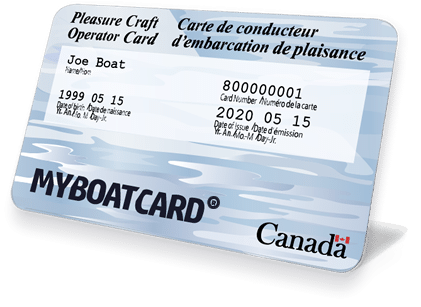
For the operator. Proof that you’ve completed a Transport Canada–approved boating safety course and passed the exam. Required to legally operate any motorized pleasure craft. Valid for life.
To legally and safely operate a motorized boat in Canada, you need both a valid PCL for the vessel and a PCOC for the person behind the wheel. The 2026 changes only affect the PCL — your PCOC never expires.
If you don’t yet have your PCOC, you can complete the Transport Canada–approved course online at MyBoatCard.com and receive your card quickly.
Who Needs a Pleasure Craft Licence?
Under Canadian law, you need a Pleasure Craft Licence if your boat meets both of the following criteria:
First, it has one or more engines totalling at least 10 horsepower (7.5 kW), even if the engine is only temporarily attached. Second, it is principally operated and maintained in Canadian waters.
Your boat does not need a PCL if it is registered in Canada through Transport Canada’s vessel registration system — which is a separate, more formal process typically used when you want to name your vessel, register a marine mortgage, or travel internationally.
Indigenous Treaty Rights Exemption
Persons who declare that they use a pleasure craft to exercise their rights as recognized and affirmed under section 35 of the Constitution Act, 1982 — including hunting, fishing, and trapping — are not required to pay the $24 service fee.
This exemption can be claimed by using the checkbox on the licence application form. The licence itself is still required, but there is no cost for Indigenous peoples exercising their treaty rights.
New Rules for Sailboats and Wind-Powered Craft
Starting December 31, 2027, wind-powered pleasure craft over 6 metres in length will be required to hold a Pleasure Craft Licence. This closes a long-standing regulatory gap that previously exempted non-motorized sailboats from licensing requirements.
This does not apply to human-powered boats such as kayaks, canoes, or dragon boats. If your sailboat already has an engine totalling 10 hp or more, it already requires a PCL under current rules — regardless of this upcoming change.
Sailboat owners who are currently exempt should plan ahead: you have until the end of 2027 to get your PCL in order.
PCL Cancellation — Expanded Criteria
Under the updated regulations, the criteria for cancelling a Pleasure Craft Licence have been expanded. A licence must now be cancelled if the vessel is no longer seaworthy, or for other specific reasons outlined by the Minister of Transport.
If your boat has been scrapped, destroyed, permanently removed from the water, or is no longer in a seaworthy condition, you are required to cancel the PCL. There is no fee to cancel a licence — you can do so through the Transport Canada PCL portal.
This change is part of Transport Canada’s broader effort to address abandoned and wrecked vessels on Canadian waterways by ensuring the PCL database accurately reflects which boats are still actively in use.
Fines and Penalties
According to Transport Canada, you may be fined $250 if your pleasure craft does not have a valid licence — and this includes having outdated information on file.
Having accurate information on file is essential for your safety. It allows search and rescue to locate you in an emergency. As of January 6, 2026, you can update your information online at any time, free of charge through Transport Canada’s PCL portal. Keeping your PCL current isn’t just about avoiding fines; it’s about ensuring responders can reach you when it matters most.
Frequently Asked Questions
A PCL is a unique identification number for your recreational boat — similar to a licence plate on a car. It must be displayed on both sides of the bow and is required for any recreational boat with engines totalling 10 horsepower (7.5 kW) or more that is principally operated in Canadian waters. It is used by law enforcement and search-and-rescue to identify vessel owners during emergencies.
No. Your PCOC is completely unaffected. It remains valid for life and does not need to be renewed. The 2026 changes apply only to the Pleasure Craft Licence (PCL), which identifies your boat — not the operator card that proves you’re qualified to drive it.
A $24 service fee applies each time you apply for, renew, transfer, or replace a PCL. This fee will be adjusted annually for inflation. There is no fee for simply updating your personal information (address, phone number, etc.). Indigenous peoples exercising section 35 treaty rights are exempt from the fee.
Official Sources
This article is based on the following official government and industry sources:
Transport Canada Press Release — January 6, 2026
Transport Canada — Apply for or Manage a PCL
Transport Canada — PCL Online Portal (Apply, Renew, Update)
Check Your PCL Expiry Date
PCL Mail-In Application Form (PDF)
Canada Gazette, Part II — Regulations Amending the Small Vessel Regulations
Be Safe, Get Certified.
It is illegal to operate a powered boat in Canada without a Pleasure Craft Operator Card (PCOC) (or other proof of competency), and the fines for doing so can be significant. Additionally, obtaining a PCOC is a good way to ensure that you are operating your boat safely and responsibly.
By completing a boating safety course and obtaining your PCOC, you can gain the knowledge and skills needed to operate a boat safely, protect yourself and others, and avoid costly fines. If you want to test your knowledge – why not try out the free PCOC practice test.
With the convenience and affordability of MyBoatCard.com’s online course, there is no reason not to get your boating license today.
Join the over 3 million certified Canadians, and get your Canadian PCOC today!